
Integrating Function And Form In Urban Spaces
14 Apr 2026
Architecture is more than form and structure—it is the thoughtful relationship between people, space, and environment. In this article, we explore how contextual design and material honesty create spaces.
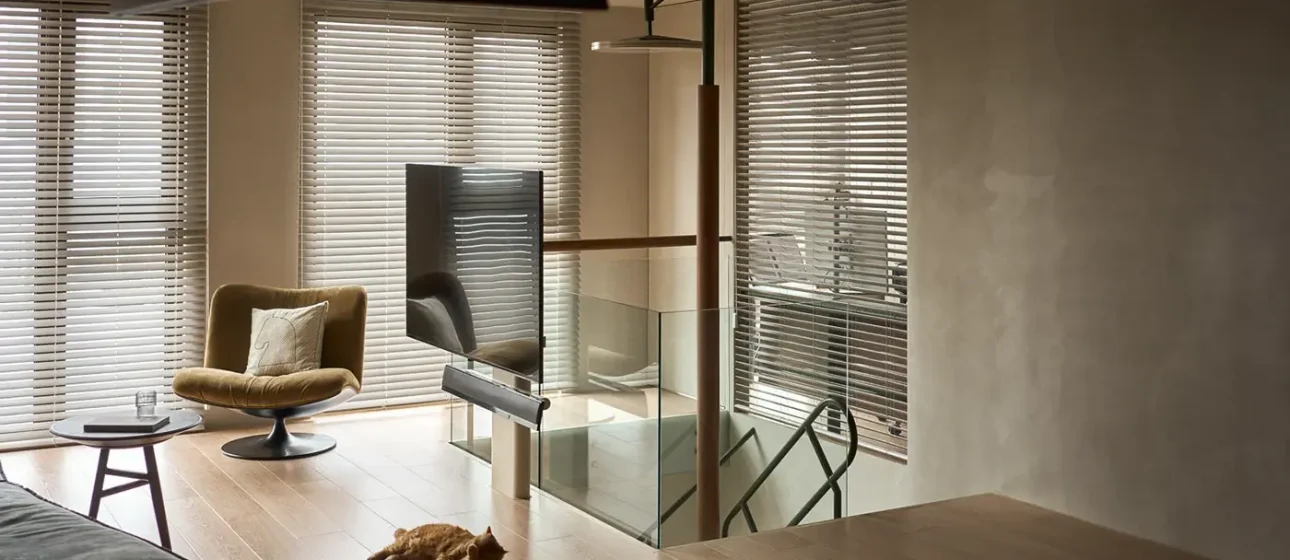
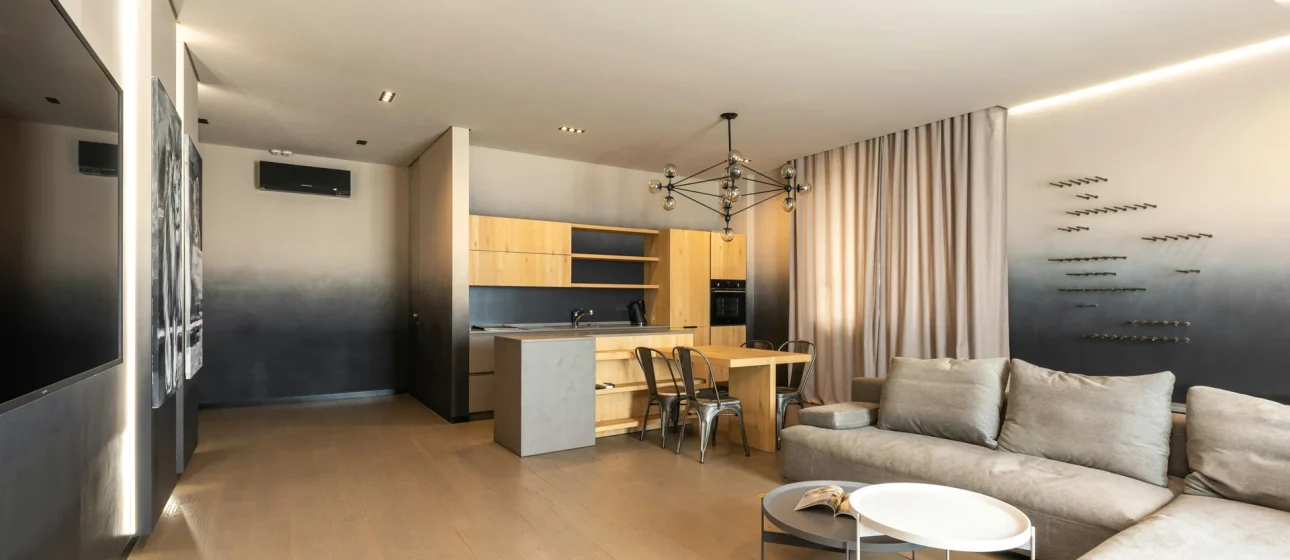
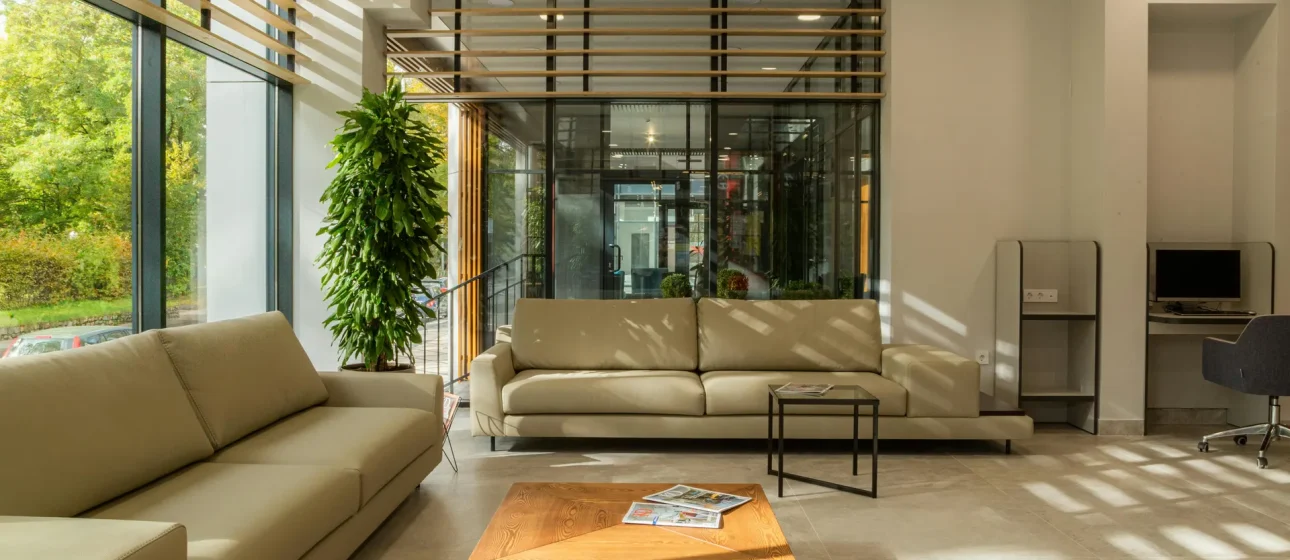
Every enduring project begins with a deep understanding of its surroundings. Context is not only about physical location, but also culture, climate, and the rhythm of daily life. When architecture responds to these elements, it feels grounded rather than imposed. By studying light patterns, site orientation, and spatial constraints, designers can create buildings that naturally belong to their environment. Context-driven design ensures that each decision.
Material Honesty And Timeless Expression
Materials tell stories. Their texture, weight, and aging process contribute to the long-term identity of a space. Rather than following temporary trends, selecting materials with integrity allows architecture to mature gracefully.
Natural wood, stone, concrete, and metal reveal their character over time, developing subtle variations in tone and texture that enrich the overall atmosphere of a space. When used thoughtfully, they create a sense of authenticity, durability, and quiet sophistication. Rather than masking imperfections, these materials embrace them—allowing surfaces to age naturally.
“Architecture becomes meaningful when it quietly adapts to human life, supporting both daily function and emotional comfort through thoughtful and carefully considered design.”
Lucas Bennett
ALSHA’s CEO & Founder

Enduring architecture prioritizes how people feel within a space. Circulation, scale, lighting, and acoustics all shape daily experiences. A well-designed interior balances openness with intimacy, creating areas for gathering as well as quiet retreat. By aligning structural logic with human behavior, spaces become intuitive.

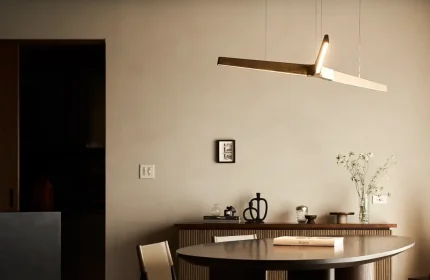
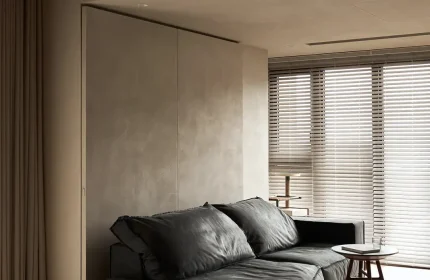
Material Honesty And Timeless Expression
To ensure architecture remains meaningful across time and context, we focus on:
- Contextual awareness — responding to site, climate, and cultural surroundings.
- Material integrity — selecting finishes that age gracefully and honestly.
- Spatial clarity — creating intuitive circulation and balanced proportions.
- Human-centered thinking — prioritizing comfort, light, and everyday functionality.
- Timeless simplicity — refining forms to avoid unnecessary excess.
Reply To Lucas Bennett Cancel Reply

Sophia Laurent
Managing Director
Exploring design ideas, spatial thinking, and everyday inspiration through thoughtful storytelling.
Comments
“I truly appreciate the emphasis on material honesty. It’s refreshing to see architecture discussed beyond aesthetics and focused on long-term experience.”
“The idea of designing with context in mind resonates deeply. Architecture should always feel connected to its surroundings rather than imposed on them.”